Solar pool heating and heat pumps both extend swimming use, but they suit different priorities. Start with when you want to swim, the temperature you expect and whether you use a cover. Those details matter more than a headline claim about savings.
How solar pool heating works
Pool water circulates through collectors warmed by the sun. Suitable space, orientation, shading and plumbing influence performance. Solar can make sense when your swimming season follows sunny weather, but available heat changes with conditions.
How a pool heat pump works
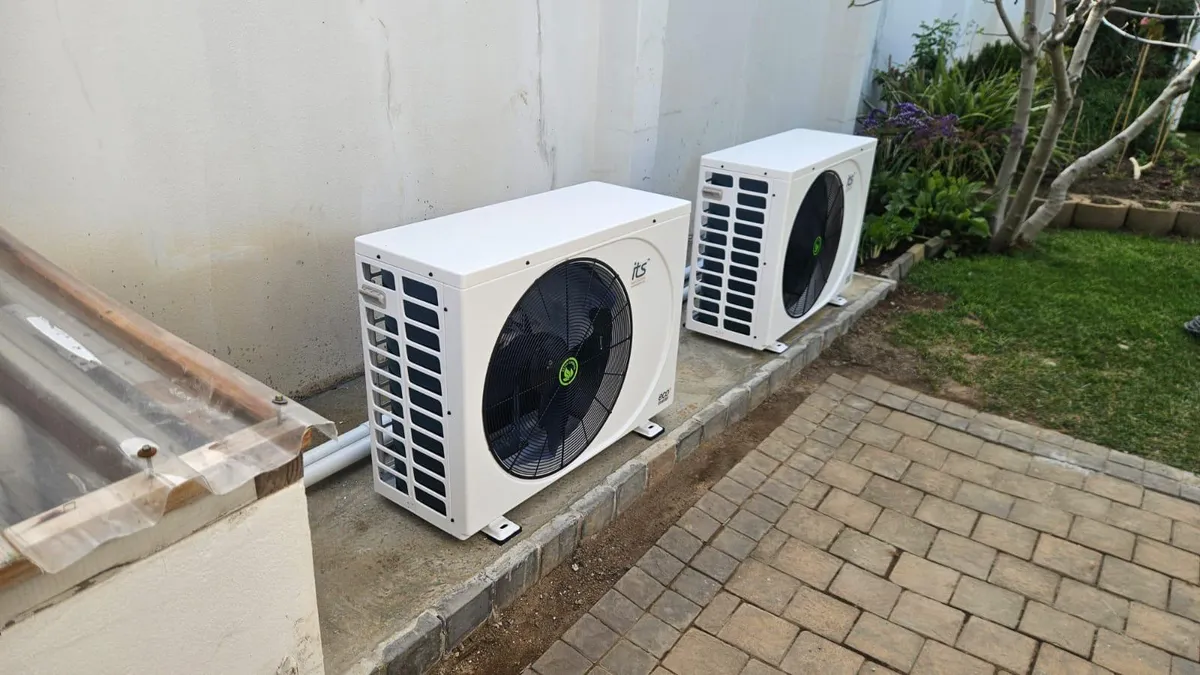
A heat pump transfers heat from the surrounding air into the water using electricity. It can provide more temperature control, but performance and consumption vary with air and water temperatures, sizing and operating hours.
Compare installation requirements
Ask about collector space or equipment location, plumbing, controls, electrical requirements and access for maintenance. Heat pump airflow and noise need consideration. Existing circulation equipment may affect the proposed system.
A cover changes the calculation
Evaporation removes heat. A suitable cover can reduce heat loss when used correctly, so cover habits should form part of the heating discussion. Pool size, exposure and wind also affect the heat needed.
Ask for assumptions behind running costs
A meaningful estimate states the desired temperature, season, hours, efficiency assumptions and electricity tariff. Avoid comparing a sunny-day solar example with year-round heat pump use. Neither option has one universal monthly running cost.
Choose for your swimming plans
Tell our Cape Town pool heating team your pool size and target season. We will assess the site and explain suitable options. Include the equipment in your seasonal maintenance plan.
Discuss your pool with Pools For Life
Free site visits and written quotations in Cape Town and the Western Cape. More than 15 years of experience and an in-house team.